
HYUNDAI
Hyundai 2200W / 2.2kW Petrol Inverter Generator, Electric Start, Pure Sine Wave Output, Lightweight, Quiet Run...
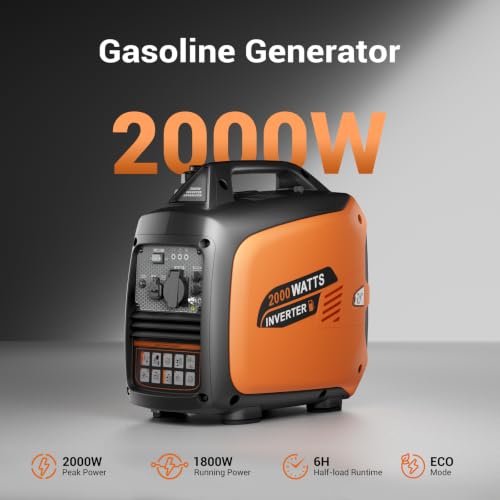
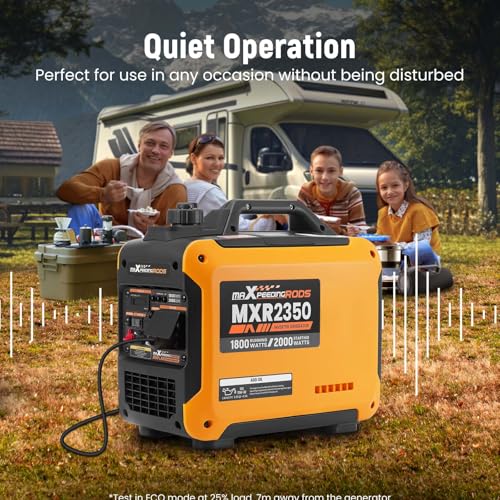
Provides reliable power for outdoor activities and emergencies, offering quiet operation and lightweight portability for easy transport.
310 views today
Score
9.9/10
Excellent
View deal
Available on Amazon
Product features
- Pure Sine Wave Output: Enables safe powering of sensitive electrical items, such as TVs, laptops and more, without the risk of damaging or overloading them.
- Low-Noise Inverter Generator: Emits just a quiet 61dB @ 7m to minimise disturbance and distribution in low-noise environments.
- Integrated ECO Mode Setting: Runs only as fast as the load demands! Increases the generator’s fuel economy, emits lower noise levels and extends the lifespan of the engine.
- Lightweight and Portable at only 22.6kg: Light enough to be easily carried around and stored in your car boot or caravan cupboard with plenty of room to spare.
- Rapid Electric Start: This Hyundai generator can be started within seconds at the turn of a dial thanks to its integrated electric start function.
- Built-In LCD Screen: Easy to read monitor displays the generator’s critical data at a glance.
- Overload and Low Oil Shutdown Protection: Integrated protection safeguards the generator and extends its lifespan.
- Peace of Mind: 3 year Hyundai home-use warranty* / 1 year commercial warranty*
- Availability – LEADTIME – Usually dispatched within 1 to 2 months